Source Shadow Echo Delay Pedal for Live, Studio, and Practice
Compare 30 shadow echo delay pedal options from verified suppliers. Buyers can evaluate metal construction, power requirements, and customization features like OEM and ODM for live, studio, and practice applications; compare the available evidence and request quotations based on your requirements.
Key considerations
Products List


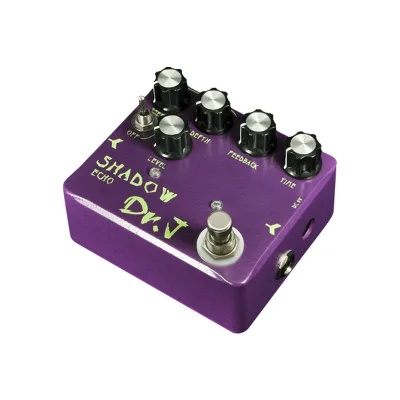
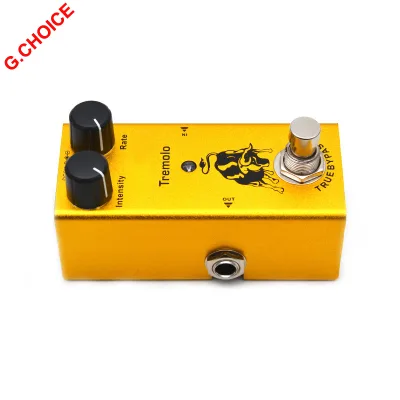
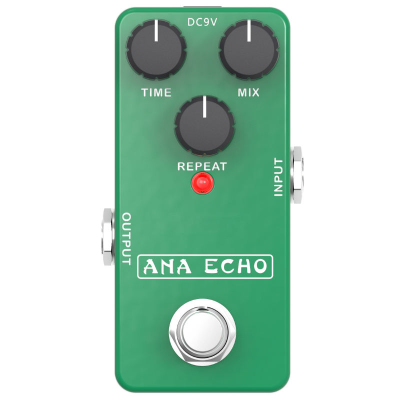
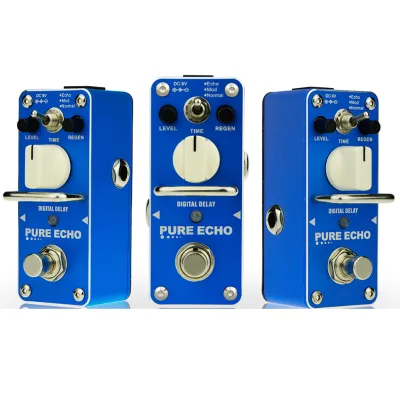


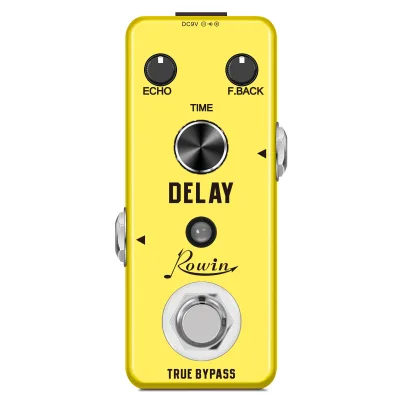
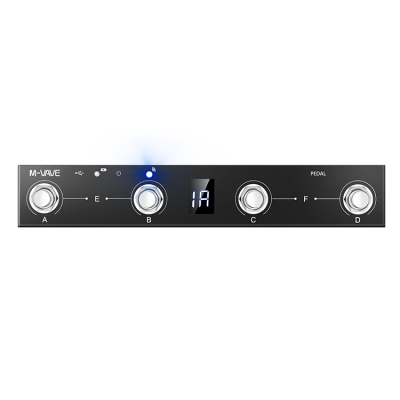
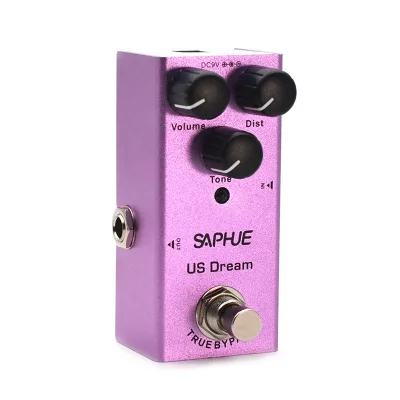
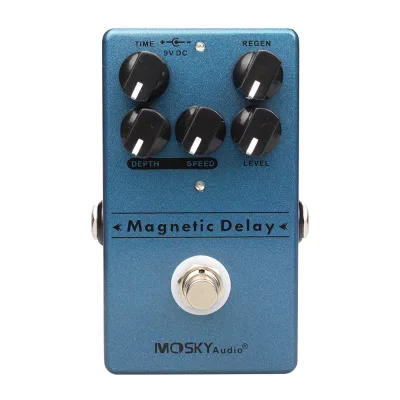

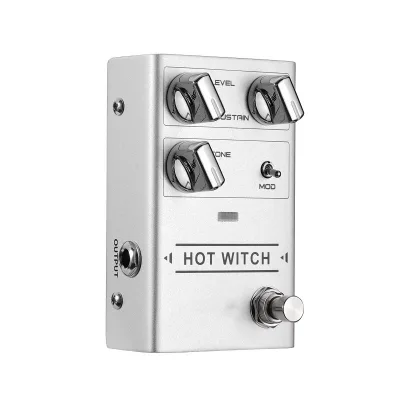
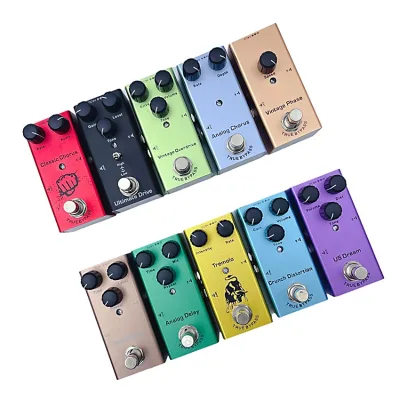


Comprehensive Sourcing Guide
Shadow Echo Delay Pedal Sourcing Guide
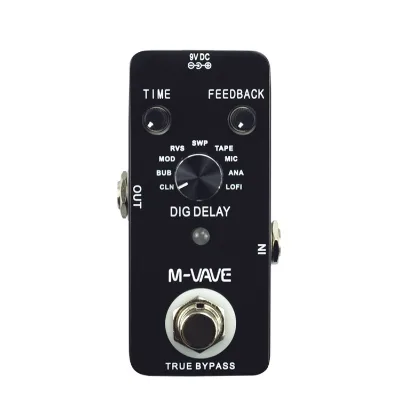
Sourcing shadow echo delay pedals requires a nuanced understanding of both analog circuitry and digital signal processing capabilities. Buyers must distinguish between true analog delay units, which rely on bucket-brigade devices for warm, repeating echoes, and digital models that offer precise control over feedback and modulation. The term "shadow echo" often implies a specific tonal character—typically darker, warmer, or more atmospheric—so verifying the circuit topology is essential before placing bulk orders. Procurement teams should prioritize suppliers who provide clear schematics or detailed signal flow diagrams to ensure the unit meets the desired sonic profile for professional studio or live performance environments.
Commercial viability depends heavily on the balance between component quality and manufacturing cost. High-end units often feature metal enclosures and premium potentiometers, while budget-friendly options may use plastic housings and basic switches. Buyers need to assess whether the target market values durability or portability, as this dictates the material selection and packaging requirements. It is also critical to evaluate the power supply design, as inconsistent voltage can lead to noise issues or premature component failure. Establishing clear technical requirements early in the sourcing process helps prevent costly redesigns and ensures that the final product aligns with brand expectations for reliability and sound quality.
Product Scope and Observed Listing Signals
The current market for delay pedals exhibits a wide range of specifications, with observed prices spanning from $0.06 to $400 USD. This disparity reflects differences in build quality, feature sets, and brand positioning. Buyers should note that the minimum order quantity (MOQ) ranges from 1 to 3,000 units, indicating flexibility for both small boutique runs and large-scale commercial distribution. Listings often highlight customization options, including OEM and ODM services, allowing brands to tailor the pedal’s appearance and functionality to their specific identity. Understanding these signals helps buyers segment the market and identify suppliers capable of meeting their volume and customization needs.
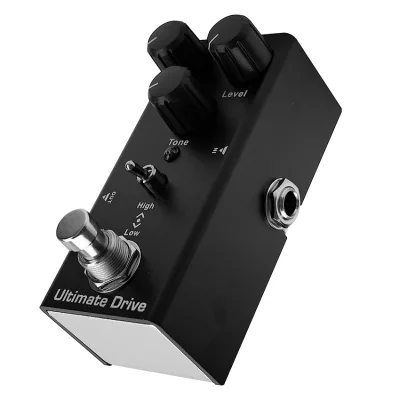
Observed product attributes reveal a strong emphasis on robust construction and versatile connectivity. Many units feature metal or aluminum alloy casings, providing durability for touring musicians. Input and output configurations typically include 1/4-inch monaural jacks, with some models offering stereo options for more complex signal chains. Power requirements are predominantly DC 9V, with current draws around 100mA, ensuring compatibility with standard pedalboard power supplies. Buyers should verify these specifications against their target market’s preferences, as mismatched power or connectivity requirements can lead to customer dissatisfaction and increased return rates.
Technical Specifications to Verify
Verifying technical specifications is crucial for ensuring performance consistency across production batches. Key parameters include input and output impedance, which affect signal integrity and tone. For instance, some models specify an input impedance of 1mΩ and an output impedance of 1 KΩ, which are typical for maintaining signal strength over long cable runs. Buyers should also confirm the type of effect circuitry, whether it is spring reverb, tremolo, or true delay, as each offers distinct sonic characteristics. Detailed verification of these electrical properties helps prevent issues such as tone loss, noise, or unintended signal degradation in the final product.
Physical dimensions and weight are equally important for logistics and user experience. Observed packaging sizes vary, with some units measuring 12x7x7 cm and others 12x12x4 cm, impacting shipping costs and storage efficiency. Weight ranges from 0.24 kg to 2.000 kg, depending on the materials used and the inclusion of additional features like battery compartments or heavy-duty footswitches. Buyers should request detailed technical drawings and material specifications to ensure that the pedals fit within their packaging constraints and meet durability standards. Consistency in these physical attributes is vital for maintaining brand reputation and customer satisfaction.
Compliance and Safety Documentation
Compliance with international safety and environmental standards is non-negotiable for electronic musical instruments. Buyers must ensure that suppliers provide relevant certifications, such as CE, FCC, or RoHS, depending on the target market. These certifications confirm that the pedals meet electrical safety requirements and restrict hazardous substances. Without proper documentation, products may face customs delays or legal penalties in regulated regions. Procurement teams should request copies of these certificates and verify their validity with the issuing bodies to mitigate risk and ensure smooth market entry.
Electromagnetic compatibility (EMC) is another critical area of compliance. Delay pedals, being active electronic devices, can emit or be susceptible to electromagnetic interference, which may affect their performance or interfere with other equipment. Buyers should verify that the suppliers have conducted EMC testing and can provide test reports. Additionally, proper labeling of power requirements and safety warnings is essential for consumer safety. Ensuring that all documentation is complete and accurate before shipment helps avoid costly recalls and maintains trust with distributors and end-users.
Cost Drivers and Commercial Terms
Several factors influence the cost of delay pedals, including material selection, component quality, and manufacturing complexity. Metal enclosures and aluminum alloy casings are more expensive than plastic alternatives but offer superior durability and heat dissipation. The choice of potentiometers, switches, and integrated circuits also significantly impacts the final price. Buyers should negotiate clear pricing structures that account for volume discounts and tooling fees, especially for custom designs. Understanding these cost drivers allows for more accurate budgeting and helps identify opportunities for cost optimization without compromising quality.
Commercial terms such as payment methods, lead times, and warranty policies are critical for managing supply chain risk. Buyers should establish clear agreements on payment terms, such as deposits and balance payments upon shipment, to protect cash flow. Lead times can vary based on order volume and customization requirements, so it is essential to align production schedules with market demand. Warranty policies should be clearly defined, covering defects in materials and workmanship. Transparent commercial terms help build strong supplier relationships and ensure that both parties are aligned on expectations and responsibilities.
Supplier Qualification and Quality Control
Supplier qualification is the first step in ensuring a reliable supply chain. Buyers should conduct thorough audits of potential suppliers, assessing their manufacturing capabilities, quality control processes, and financial stability. Factories with experience in electronic musical instruments are preferable, as they understand the specific requirements for tone, durability, and user experience. Requesting samples and conducting independent testing is essential to verify that the products meet the specified technical and aesthetic standards. Building a relationship with a qualified supplier reduces the risk of production delays and quality issues.
Quality control measures should be implemented throughout the production process, from raw material inspection to final packaging. Buyers should define clear acceptance criteria for visual defects, electrical performance, and functional testing. Regular audits and spot checks can help identify and address issues early in the production cycle. Implementing a robust quality management system ensures consistency across batches and minimizes the risk of defective products reaching the market. Investing in quality control protects the brand’s reputation and reduces the costs associated with returns and repairs.
Long-Term Procurement Checks
Long-term procurement success depends on continuous monitoring and evaluation of supplier performance. Buyers should establish key performance indicators (KPIs) such as on-time delivery rates, defect rates, and responsiveness to issues. Regular reviews of these metrics help identify areas for improvement and ensure that suppliers remain aligned with business goals. Building a diversified supplier base can also mitigate risk by reducing dependence on a single source. Continuous engagement with suppliers fosters collaboration and innovation, leading to better products and more competitive pricing over time.
Market trends and customer feedback should also inform long-term procurement strategies. As technology evolves, new features and materials may become standard, requiring adjustments to product specifications. Buyers should stay informed about industry developments and customer preferences to ensure that their product offerings remain relevant. Soliciting feedback from distributors and end-users can provide valuable insights into product performance and areas for enhancement. By adapting to changing market conditions and maintaining a focus on quality and innovation, buyers can sustain long-term success in the competitive musical instrument market.
FAQs
What customization options are available for these pedals?
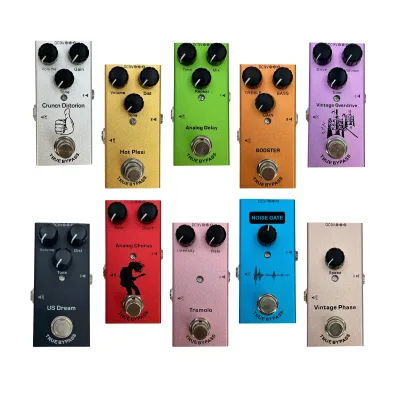
Customization is available for these pedals, including OEM and ODM services. Buyers can request specific branding or design modifications. The products support neutral packaging and come in various colors like red, black, and blue. This flexibility allows businesses to tailor the units to their specific market needs effectively.
How is the power supply configured for these units?
The power supply is configured as DC 9V with a current requirement of 100mA. This standard voltage ensures compatibility with common power adapters. The input impedance is 1mΩ while the output impedance is 1 KΩ. These electrical specifications support stable signal transmission for guitar effects applications.
Which materials are used in the pedal construction?
The pedals are constructed using metal and aluminum alloy materials. Some units feature a full metal shell with a stoving varnish finish for durability. The cabinet material is specifically aluminum. This robust construction protects internal components while providing a professional aesthetic suitable for stage use.
Can I find these pedals with specific model numbers?
Yes, specific model numbers are available such as JF-126, JF-67, and JF-93. The ZH-D54 model is also listed among the options. These models represent different configurations like spring reverb or tremolo effects. Buyers can select the exact model number that matches their required effect type.
What are the input and output jack specifications?
The input and output jacks are 1/4 inch monaural jacks. Some models feature stereo input and output jacks for versatile connectivity. The signal input and output utilize standard 1/4 inch connectors. This ensures compatibility with most standard guitar cables and audio equipment found in professional setups.
How does the packaging work for bulk orders?
Packaging options include neutral packages and bulk cartons containing 50 pieces per carton. The single package size varies by model, with some measuring 8.2 by 9.6 by 3.8 cm. The single gross weight is typically 0.240 kg. This standardized packaging facilitates efficient shipping and storage for large volume orders.
Where are these products manufactured and shipped from?
These products originate from China, with specific places of origin including Shenzhen and Jilin. The manufacturing location ensures access to established supply chains for electronic components. Buyers should expect shipping from these Chinese locations. The origin data confirms the products are sourced directly from the manufacturing region.